Addressing Heat Stress in Berry Crops with Innovative Shade Solutionshttps://sunzaun.com/wp-content/uploads/2025/03/4.png1600900SunzaunSunzaunhttps://sunzaun.com/wp-content/uploads/2025/03/4.png
Heat stress is becoming a concern in berry farming, with rising temperatures putting crops at risk. While moderate heat stress levels can benefit berries by extending the growing season and enhancing flavor profiles. Excessive heat can have detrimental effects. The same heat that may initially boost plant health and fruit development can, when it becomes too intense, turn against the crop. Excessive heat disrupts plant growth, compromises productivity, and throws off the delicate hormone balance within the plant. This often results in problems such as sunscald and fruit cracking.
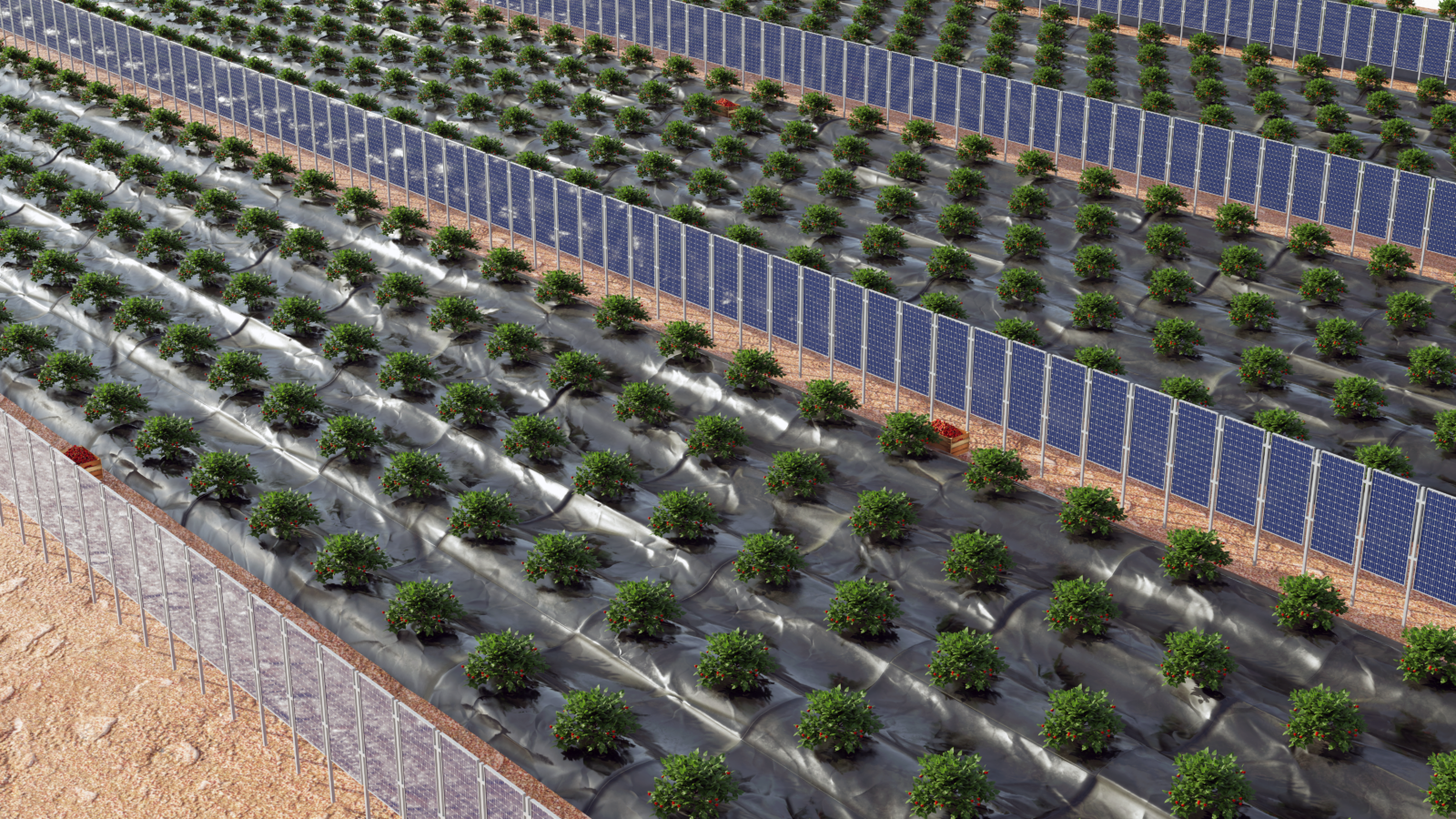
To mitigate these issues, farmers are exploring innovative solutions, such as providing shade during the hottest parts of the day. By offering protection from the intense afternoon sun while allowing the morning and evening sunlight to continue ripening the berries, the growth cycle can be optimized. This strategy not only prevents overheating but also promotes healthy berry development.
One such solution is the Sunzaun system, which provides a practical method of shading crops during peak heat hours. By using vertical solar panels, the Sunzaun system creates shade that helps prevent excessive heat from reaching the berries. This system allows farmers to protect their crops from the harmful effects of heat stress, all while enabling them to harness solar energy.
The integration of solar energy through agrovoltaic systems offers an additional benefit to farmers. Not only does the shade from solar panels protect the crops, but the system also generates electricity. This allows farmers to offset the cost of the solar installation by using the energy produced on-site or selling it back to the grid. In this way, the combination of agriculture and solar energy production increases the overall value of the farm, providing both environmental and economic benefits.
By embracing these sustainable solutions, berry farmers can enhance productivity and reduce the risks associated with extreme heat. The Sunzaun system and agrovoltaic technology provide a promising pathway to adapting to climate change and improving crop resilience, ultimately leading to healthier, more robust berry production.
Vertical Solar & LEED – An Emerging Trend in Real Estatehttps://sunzaun.com/wp-content/uploads/2023/06/empire-state-building-g8dd29698d_1280-2.png10801080SunzaunSunzaunhttps://sunzaun.com/wp-content/uploads/2023/06/empire-state-building-g8dd29698d_1280-2.png
In today’s ever-changing landscape of real estate, sustainability and renewable energy solutions have become essential considerations for property owners and developers. Among the leading initiatives in this realm, LEED certification and solar energy integration hold immense promise for creating eco-friendly and energy-efficient buildings. By harnessing the combined benefits of LEED certification and solar energy, real estate owners can unlock a multitude of advantages that go beyond environmental stewardship.
In this blog post, we will explore the powerful synergy between LEED certification and vertical solar energy and shed light on the remarkable benefits they offer to real estate owners. From enhanced energy efficiency and cost savings to reduced carbon footprint and increased property value, we will delve into how this dynamic duo can revolutionize your real estate portfolio.
By adopting LEED certification, real estate owners can ensure that their buildings are designed and operated in a sustainable manner, optimizing energy usage and minimizing environmental impact. Meanwhile, the integration of vertical solar energy systems empowers these buildings to generate clean and renewable electricity on-site, reducing reliance on traditional energy sources and lowering operating costs.
What is LEED?
LEED stands for Leadership in Energy and Environmental Design, which is the most widely used green building rating system globally (source). It was developed by the non-profit U.S. Green Building Council (USGBC) to provide a framework for designing, constructing, operating, and maintaining environmentally responsible and resource-efficient buildings, homes, and neighborhoods.
LEED certification is a voluntary program that enables building owners and operators to demonstrate their commitment to sustainability. The LEED rating system consists of a set of criteria and standards that cover various aspects of building design and operation, including:
Location and Transportation
Sustainable Sites
Water Efficiency
Indoor environmental quality
Energy and Atmosphere
Integrative Process
Materials and resources
Innovation
By meeting these criteria, a building can earn points and achieve different levels of LEED certification, such as Certified, Silver, Gold, or Platinum, based on the total number of points earned.
LEED is applicable to various building types, including commercial buildings, residential buildings, schools, healthcare facilities, and more. It provides guidelines and best practices for creating healthy, efficient, and cost-saving buildings that minimize environmental impact while promoting occupant well-being and sustainability (source).
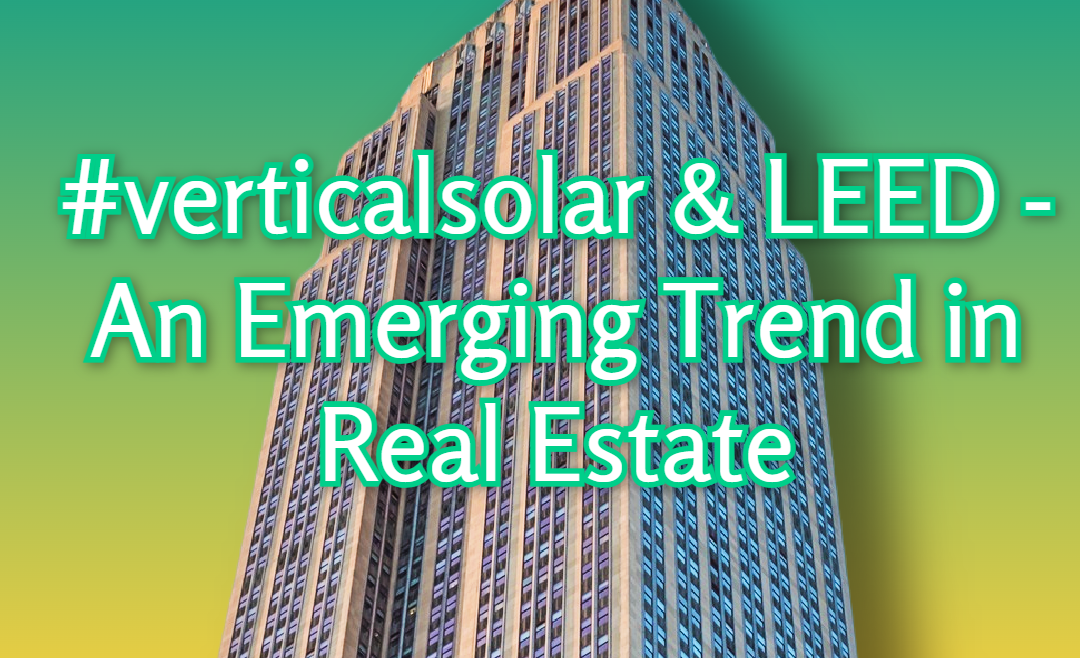
The Taipei 101 in Taiwan is one of the tallest LEED certified buildings
LEED certification has become a recognized symbol of sustainability and is often sought after by building owners, developers, and occupants who value energy efficiency, environmental stewardship, and sustainable practices. LEED also helps investors to meet their ESG requirements (read our blog on ESG requirements). It promotes the adoption of green building strategies, encourages innovation in the construction industry, and contributes to reducing the environmental footprint of the built environment.
Vertical solar panels contribute to earning LEED credits
Vertical Solar panels can contribute to earning LEED credits for buildings by demonstrating the use of renewable energy and promoting sustainability. The primary LEED category relevant to solar panels is the “Energy & Atmosphere” category, specifically EA Credit 2, which is the “On-Site Renewable Energy” credit (source).
The On-Site Renewable Energy credit within LEED rewards projects that generate renewable energy on-site, such as through solar panel installations. This credit can provide up to 7 possible LEED points, depending on the specific project and the percentage of energy output supplied by the renewable source. Builders can earn points under the renewable energy sub-category based on the tier and the percentage of electricity generation provided by the renewable source (source).
Here is a breakdown of the points available under Tier 1 for renewable energy generation:
1 point: 2% electricity generation
2 points: 5% electricity generation
3 points: 10% electricity generation
4 points: 15% electricity generation
The specific number of points earned will depend on the amount of energy produced by the solar panels and its contribution to the overall energy needs of the building.
By incorporating solar panels into a building’s design, owners and developers can demonstrate their commitment to utilizing clean and renewable energy sources, reducing greenhouse gas emissions, and decreasing reliance on fossil fuels. Solar projects can help achieve LEED certification at various levels, such as Basic, Silver, Gold, or Platinum, based on the number of credits attained.
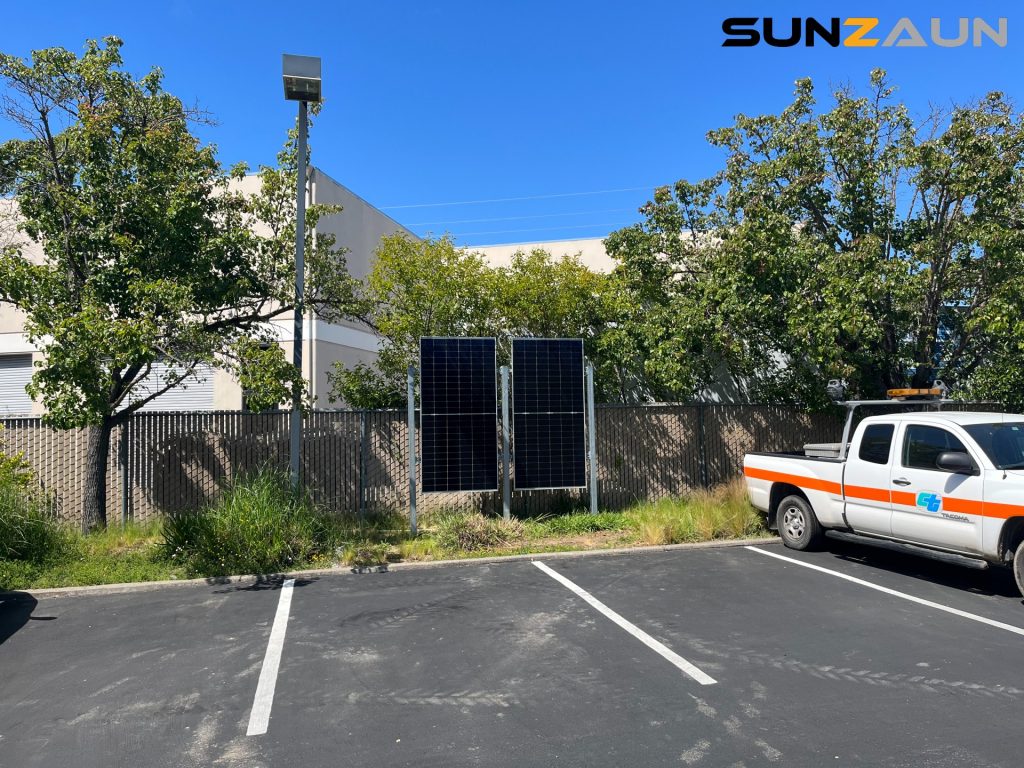
A Sunzaun showcase installation on a parking lot
Benefits of vertical solar for buildings and EV charging
In addition to rooftop solar and panels on a carport, vertical ground-mount solar panels can be integrated into the design of a building. Vertical panels can be used as a fence around property lines. Another way to power batteries and electrical vehicle charging opportunities is to install them on parking lots (Here is an example from Japan). Sunstall Inc. recently installed two Sunzaun modules on the parking lot of the headquarters as a proof of concept model.
In the United States, there are various financial incentives and policies in place to encourage the installation of electric vehicle (EV) charging infrastructure. These incentives aim to promote the widespread adoption of EVs and support the development of a reliable charging network. While the specific details may vary by state, here are some common financial incentives and support mechanisms:
Tax Credits: Many states offer tax credits to individuals, businesses, or property owners who install EV charging stations. These credits can help offset a portion of the installation costs. The availability and amount of tax credits vary by state.
Grants and Rebates: Some states provide grants or rebate programs that offer financial assistance for the installation of EV charging infrastructure. These programs can provide funding for both public and private charging stations, encouraging their deployment in various locations such as workplaces, multi-unit dwellings, and public areas.
Utility Incentives: Many utility companies offer incentives to promote EV charging infrastructure. These incentives may include rebates, grants, or special electricity rates for EV charging stations. Utility incentives can help reduce the upfront costs of installation and make operating the charging stations more cost-effective.
Public Funding Programs: In certain cases, federal or local government entities may provide funding opportunities or grants specifically aimed at supporting the installation of EV charging infrastructure. These programs often target public or semi-public locations such as parks, government buildings, and transportation hubs.
Public-Private Partnerships: Collaborative initiatives between public and private entities can also contribute to the financial incentives for installing EV charging infrastructure. These partnerships may involve cost-sharing arrangements, revenue-sharing models, or other cooperative mechanisms to facilitate the expansion of charging networks.
If you are interested in exploring vertical solar opportunities for the LEED certification of your project, visit our office to see the Sunzaun racking system or reach out to us!