

Adapted from the German article “Vertikal mehr Ertrag” in Technik & Wirtschaft VN+
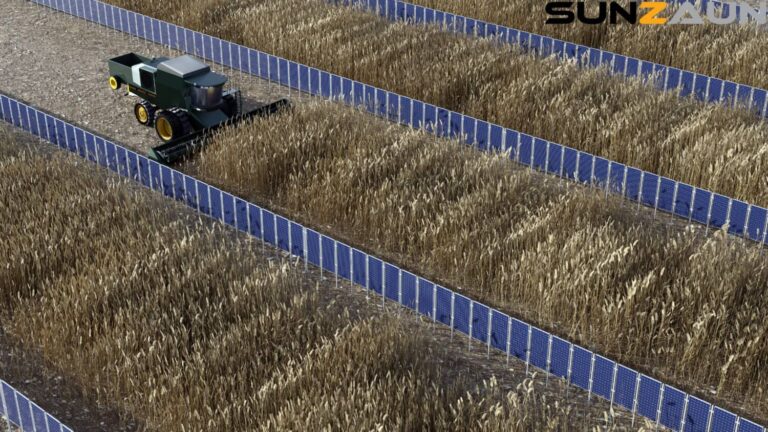
As solar technology continues to evolve, one of the most promising developments is vertical photovoltaic (PV) systems. Unlike traditional panels installed at an angle on rooftops or open fields, vertical PV panels stand upright, like a fence, and can be bifacial, capturing sunlight from both sides.
Where Vertical PV Systems Thrive
Vertical solar panels are particularly useful in spaces where traditional installations are limited. Examples include:
- Agricultural land, where panels can coexist with crops, maximizing land use efficiency.
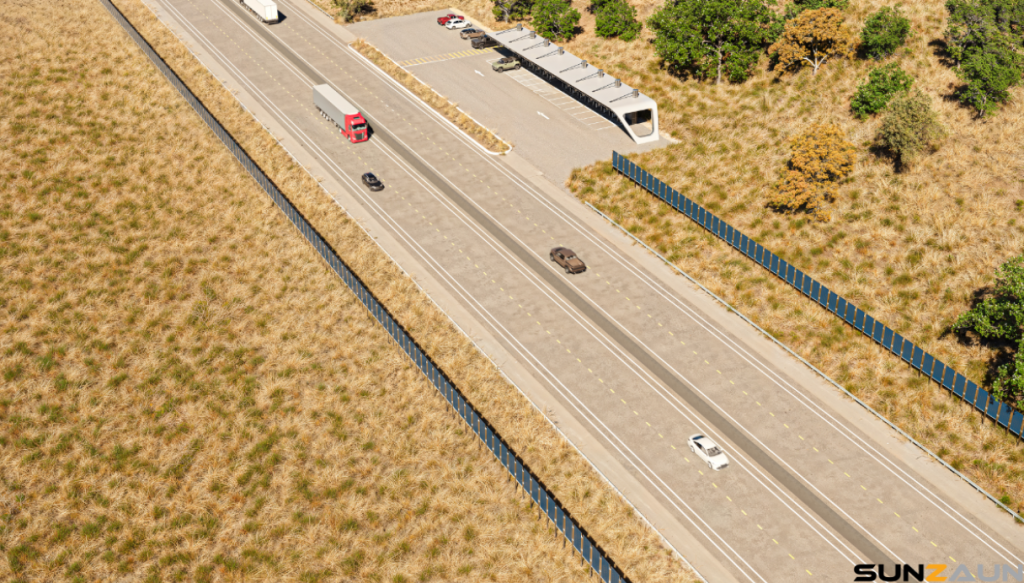
- Noise barriers along highways or as property fences, turning otherwise unused vertical surfaces into energy-generating assets.
The Advantages: More Yield, More Flexibility
Vertical PV systems can increase overall electricity generation in certain conditions. Bifacial panels, for example, capture both direct sunlight and reflected light, while vertical placement can optimize energy collection during low-sun periods, such as morning and evening. This “dual-use” potential allows landowners to produce solar power without sacrificing valuable space for other uses.
Considerations and Limitations
While vertical PV offers unique benefits, there are trade-offs:
- Peak midday production is typically lower compared to optimally tilted panels. Whereas vertical produces peak energy in the morning and afternoon, often matching energy demand curves.
- Local conditions, such as sun angles, climate, and shading, significantly influence performance. Vertical bifacial panels perform best where there is high reflectivity from surroundings such as sandy or snow-covered ground and in-between greenhouses.
- Upfront costs, especially for bifacial panels, may be higher, so careful economic analysis is needed. However, preliminary research suggests the potential for long term cost savings due to reduced maintenance needs.
Real-World Applications
Vertical PV systems are already being deployed in innovative ways, such as along airport perimeters or integrated into agricultural projects. These systems showcase how flexible solar solutions can expand energy generation opportunities while maintaining productive land use.
The Takeaway
Vertical photovoltaic panels are not just a concept, they are a practical solution for maximizing solar energy in areas with space constraints or multiple land uses. By creatively adapting vertical surfaces, we can generate more power, optimize land use, and move closer to a sustainable energy future.
If you’re a landowner, business, or farmer interested in exploring vertical solar solutions, now is the perfect time to start. Assess available space, consider dual-use opportunities, and connect with a Sunzaun specialist to see how vertical PV can boost your energy output. Small steps today can lead to big savings and sustainable power tomorrow.
Note: This post is a review adapted from the German article “Vertikal mehr Ertrag” in Technik & Wirtschaft VN+.